The Life of Jesus · Part Six
The Final Months
Tabernacles, Dedication, Perea, and Lazarus raised
Some context that helps enormously here. Jesus spent most of the first two years and more in the north, in Galilee, in order to stay away from the threats coming out of Judea and Jerusalem — travelling south only for the feasts. In these last six or seven months that changes. He goes south for the Feast of Tabernacles, and this time He stays. He does not return north again.
At the Feast of Tabernacles
John 7:1–10:11
To feel what happens here, you need to know what the feast was like. It was the final feast of the year, on the fifteenth of the seventh month, lasting eight days — and it was a hilarious, joyful celebration. People collected willow and palm branches and built tents on their rooftops, which is why it is sometimes called the feast of booths. Everyone carried branches and waved them in greeting as they passed in the street.
It celebrated the time in the wilderness under God’s tent — living beneath the cloud of His presence, a canopy over three million people in temperatures that climbed past 110 degrees by day and fell below freezing at night. “He who dwells in the shelter of the Most High shall abide under the shadow of the Almighty” (Psalm 91:1).
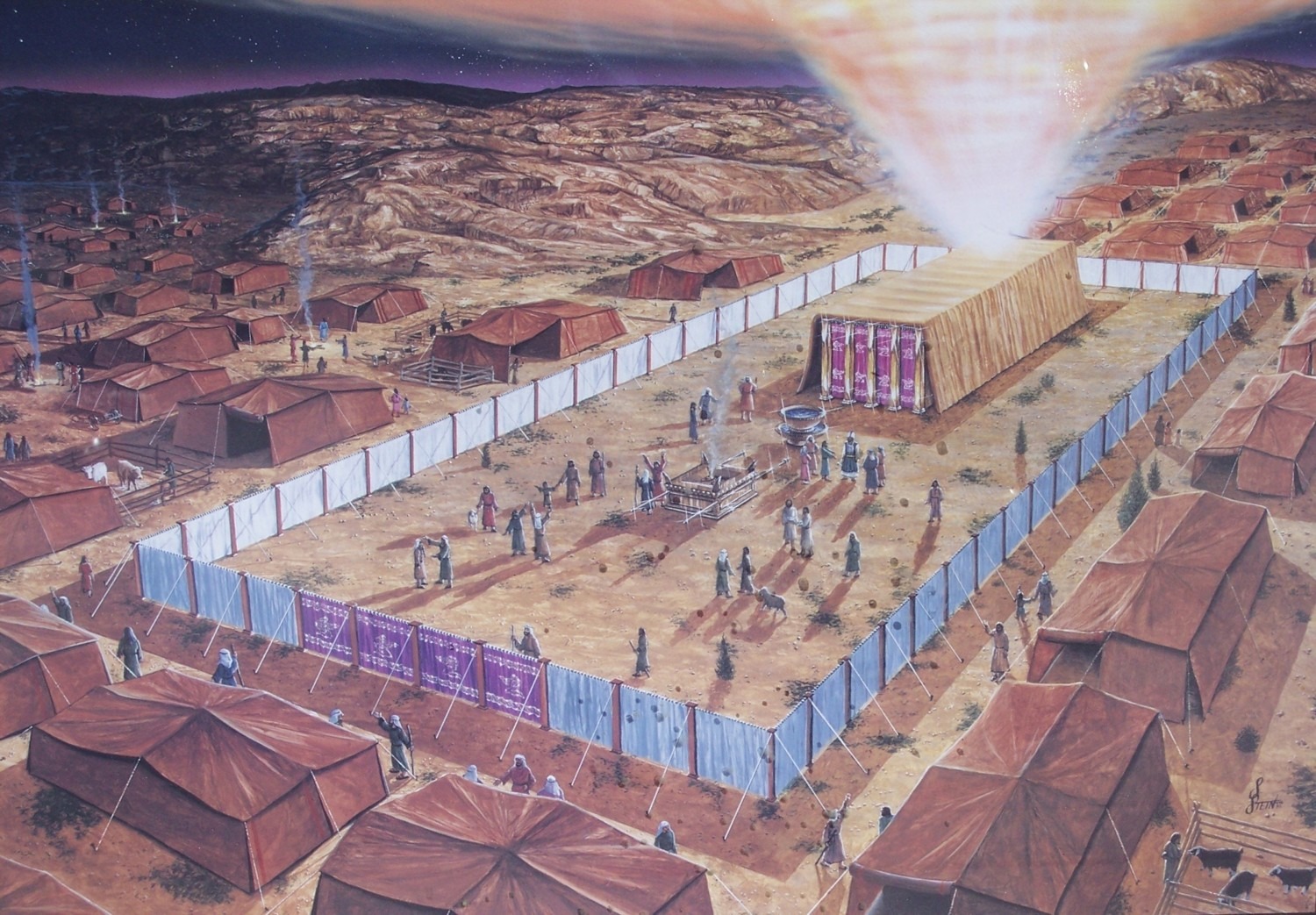
The point being made was this: even though they now lived in houses, in a land God had given them, in their hearts they were still pilgrims and strangers — ready to move at God’s command. It is why Abraham was called a Hebrew, which means stranger.
The water and the light
Each morning before the burnt offering, the people went up to the temple. A priest took a golden pitcher, with a band of musicians, down to the pool of Siloam to draw water — a pool set aside especially for this feast. As the offering was placed on the altar, that priest came up one side of the ramp with the water while another came up the opposite side with wine, and they poured them out over the offering together. “Therefore with joy shall you draw water out of the wells of salvation.”
At night everyone gathered in the Court of the Women. The Levites assembled the best musicians and singers, the great candelabra were lit, and the people danced with torches — priests in white, leaping and dancing. All of it saying: we are awaiting the Messiah. He will burst as light into our darkness. He will make us leap and dance for joy.
On the last day of the feast — the one day when the water was not poured out — Jesus stood up and cried out: “If anyone thirsts, let him come to me and drink.”
And then: “I am the light of the world.”
He was claiming, in front of everyone, to be the fulfillment of the feast they were keeping.
The sixth sign
Light only finds its purpose in something that reflects it. So in chapter 9 He heals a man born blind — who washes in the pool of Siloam, the very pool the water came from. Others had been healed before; this man was unrecognized afterward. The Creator validating His place. John’s sixth sign.
John 7:37–39 · John 8:12 · John 9
Two months in Judea
Between Tabernacles and the Feast of Dedication He travels about in Judea, and sends out the seventy to do the same. Luke is our source for these months — the other Gospels record almost none of it until Passover.
The Good Samaritan. Mary and Martha at Bethany. Teaching on prayer. A mute man freed. More crowds, more teaching. The murdered Galileans. A woman crippled by a spirit, healed on the Sabbath. The mustard seed and the yeast.
Luke 10:1–13:21
The Feast of Dedication
At Hanukkah they try to stone Him. He crosses the Jordan into Perea and stays there, teaching through the towns — warned along the way that Herod wants to kill Him.
John 10:22–42 · Luke 13:22–17:10
Lazarus — the seventh sign
He returns to Bethany and raises Lazarus, four days in the tomb. John’s seventh and final sign is a resurrection — and it is the thing that seals the decision to kill Him.
He retreats to Ephraim. Then He begins the final journey to Jerusalem.
John 11:1–57 · Luke 17:11–18:30
The road to Jerusalem
He predicts His death again. James and John ask for places at His right and left. At Jericho: Zacchaeus, the parable of the money, blind Bartimaeus, and two more blind men as He leaves the city.
Then to Bethany, where He spends His final Sabbath.
Mark 10:32–52 · Matthew 20:17–34 · Luke 18:31–19:28
John’s seven signs
- Cana — 2:11
- The nobleman’s son — 4:54
- The pool of Bethesda — 5:2
- Feeding the multitude — 6:14
- Walking on water — 6:19
- The blind man — 9:16
- Lazarus — 12:18